How to Fix Common Knitting & Crochet Mistakes Without Frustration

Knitting & Crochet are incredibly rewarding hobbies, but even experienced crafters run into mistakes that can turn a relaxing session into a frustrating one. Dropped stitches, uneven tension, and misread patterns are common challenges—but the good news is that every mistake has a solution. In this guide, we’ll walk you through practical fixes and preventative tips so you can create beautiful handmade projects with confidence.

Dropped Stitches: Quick Fixes

One of the most common frustrations in Knitting & Crochet is a dropped stitch, especially in intricate patterns.

How to fix:

  • Use a crochet hook: Carefully pick up the dropped stitch and work it back up to your current row.

  • Ladder stitch method: For multiple dropped stitches, insert a yarn needle to weave the yarn back through the loops.

  • Prevention tip: Keep a consistent grip on your working yarn and check your stitches regularly.

Dropped stitches may seem small, but catching them early prevents larger pattern errors and wasted time.

Uneven Tension: Smooth Out Your Work

Uneven tension can make your project look messy, affecting both aesthetics and sizing.

How to fix:

  • Adjust your grip: Relax your hands and hold the yarn gently, ensuring even loops.

  • Practice swatches: Knitting or crocheting small test pieces helps you find a comfortable rhythm before starting a full project.

  • Block your finished work: For knitted or crocheted garments, wet blocking can even out tension inconsistencies.

Consistent tension takes practice, but over time it becomes second nature, improving both speed and precision.

Misreading Patterns: Decode Instructions Correctly

Even skilled crafters misread patterns sometimes, leading to errors that affect the entire project.

How to fix:

  • Highlight key instructions: Use a highlighter or sticky notes to track your place in complex patterns.

  • Write notes in the margins: Document repeats, stitch counts, or adjustments.

  • Double-check abbreviations: Knitting & Crochet patterns often use shorthand; ensure you understand each term before proceeding.

Proper pattern reading prevents unnecessary unraveling and keeps your project on track.

Yarn Splitting: Tame Those Stray Fibers

Yarn splitting happens when your hook or needle separates strands, creating an uneven or fuzzy look.

How to fix:

  • Switch tools: Sometimes a larger or smoother hook/needle prevents splitting.

  • Slow down: Work deliberately, guiding the hook through full loops rather than pulling apart strands.

  • Choose appropriate yarn: Beginner-friendly yarns, like worsted-weight cotton or soft merino, are less prone to splitting.

Preventing yarn splitting improves your stitch quality and reduces frustration.

Wrong Hook or Needle Size: Adjust for Better Results

Using the wrong hook or needle can make a project too tight, too loose, or distorted.

How to fix:

  • Check gauge: Always make a small test swatch and measure stitches per inch to match the pattern’s specifications.

  • Experiment with size: Adjust needle/hook size slightly to achieve correct tension without sacrificing comfort.

  • Upgrade tools: Ergonomic hooks and needles can make long projects easier and improve stitch consistency.

Matching the right tools to your project is essential for polished results.

Craft with Confidence

Mistakes in Knitting & Crochet are normal—even experienced crafters encounter them. The key is knowing how to fix them quickly and prevent them from recurring. By mastering dropped stitches, uneven tension, pattern reading, yarn handling, and tool selection, you can transform frustration into creative satisfaction.

Ready to improve your skills even further? Join our newsletter for exclusive tutorials, pattern guides, and troubleshooting tips, so every Knitting & Crochet project becomes a masterpiece you’re proud to share.
How to Choose the Perfect Large White Floral Centerpiece for Elegant DIY Home Décor

When DIY Projects Need a Finishing Touch Many people who love arts and crafts eventually face the same challenge: their handmade décor projects look great individually, but the overall display feels incomplete. Whether you're designing a dining table setup, decorating a wedding space, styling a craft fair booth, or refreshing your living room, the centerpiece often determines whether the entire arrangement looks polished or unfinished. A common frustration for creative DIY enthusiasts is...

Transform Your DIY Crafts: Why Premium Velvet Chenille Yarn Is a Game-Changer

Every crafter knows the thrill of starting a new project—the colors, the textures, the endless possibilities. But often, the excitement fades when your handmade creations don’t turn out as soft, luxurious, or polished as you imagined. The culprit? Yarn. Not all yarns are created equal, and the difference between ordinary and extraordinary projects often comes down to choosing the right material. Enter Premium Velvet Chenille Yarn, the secret weapon of crafters who want their projects to look...

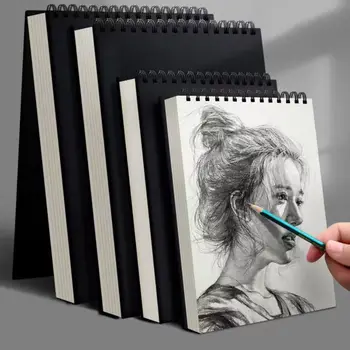
Debunking 5 Common Sketchbook Myths That Hold Artists Back

Don’t Let Misconceptions Stifle Your Creativity Many aspiring and experienced artists struggle not because of a lack of talent, but because of the materials they choose—and the myths surrounding them. From beliefs about “cheap notebooks being fine” to “eco-friendly materials being weak,” these misconceptions can limit your experimentation, slow your growth, and even make art feel frustrating. The right sketchbook can transform how you work, but first, it’s important to separate fact from...

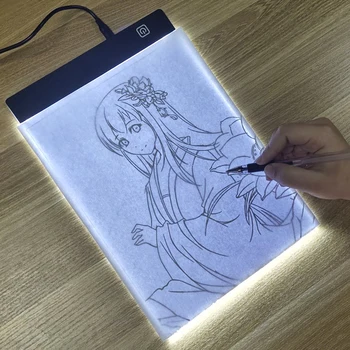
How to Overcome Tracing Fatigue with an LED Drawing Copy Pad

If you spend hours on detailed art projects, you know how exhausting tracing can be. Holding paper against windows, balancing it on uneven surfaces, or using bulky light boxes can cause hand strain, neck stiffness, and eye fatigue. Over time, these physical stresses make even the most enjoyable crafts feel like a chore—and mistakes become more frequent. Tracing fatigue is more than an inconvenience. It impacts your creativity, slows your workflow, and can make you lose confidence in your...

How to Use Fabric Hip Booty Bands for Handmade Accessories That Last

Stop Accessories from Losing Their Shape If you’re a DIY enthusiast, you’ve probably experienced the frustration of making bracelets, headbands, or waistbands that just don’t hold up. Materials can stretch out too quickly, fray, or lose elasticity, leaving your handmade accessories looking worn out after just a few uses. For crafters who want projects that are both stylish and long-lasting, the secret often comes down to choosing the right fabric. Fabric hip booty bands are a versatile...

Struggling with DIY Projects? How Paracord & Macramé Can Make Your Crafts Easier and More Stylish

DIY crafts are incredibly rewarding, but let’s be honest—they can also be frustrating. Knots go wrong, cords tangle, and projects that looked simple online suddenly feel impossible. If this sounds familiar, you’re not alone. Many hobbyists struggle with keeping DIY projects organized, stylish, and functional. Fortunately, Paracord and Macramé are two crafts that can simplify your projects while adding a polished, professional look. Whether you’re creating bracelets, plant hangers, or home...

Top DIY Home Decor Vases Trends to Try in 2026

Unlock Style with Vase-Centric Decor Home décor in 2026 is more creative than ever, and nothing captures this shift quite like the resurgence of unique vase designs. DIY home decor/vases are no longer just functional—they’re statement pieces that combine artistry with everyday living. In this article, we’ll explore the biggest trends shaping DIY home decor/vases this year, offering practical ideas you can create at home. Whether you want to craft sculptural masterpieces or refresh your space...

0 Comments

Submit a Comment

Your email address will not be published. Required fields are marked *

Join